






Key Points:
- Office phone systems help front desk teams manage calls with more structure and fewer missed details.
- Clear call flow makes it easier for callers to reach the right person or department quickly.
- Smart routing helps sales teams respond faster before potential leads lose interest.
- Better call tracking improves accountability across answered calls, missed calls, and voicemail activity.
- Flexible calling supports remote, mobile, and hybrid teams while keeping communication professional.
- Helpful features like auto-attendants, ring groups, and voicemail-to-email improve daily call handling.
- Internal extensions and transfer options help employees coordinate more smoothly during busy workdays.
- Scalable phone planning helps growing businesses manage higher call volume without confusion.
The front desk and sales calls are frequently a business’s first real impression. The caller could be asking about a service, trying to get hold of someone in particular, inquiring about price, or checking in about an earlier conversation. Without a system, it’s easy for teams to lose track of messages, misdirect callers, or miss valuable opportunities during busy hours for this type of call.
It provides a clear method for reception staff to direct callers, helps sales teams respond faster, and enables managers to see where call activity is on the rise. Companies can treat phone calls as part of a structured customer journey, rather than an interruption, and nurture trust, efficiency, and stronger day-to-day performance.
Clearer Office Phone Call Flow
Front desk teams usually manage several responsibilities at once, including greeting visitors, booking appointments, handling questions, and transferring calls. Office phone systems help create a more controlled call flow by using greetings, extensions, routing rules, ring groups, and voicemail options. This structure allows callers to move toward the right person or department without making reception staff solve every request manually.
A clearer flow also makes the business sound more prepared. Callers do not want to wait while someone searches for the correct employee or asks them to repeat the same concern. When calls are organized from the beginning, the front desk can respond calmly and professionally. This gives customers a better experience and helps staff manage pressure during peak calling periods.
Stronger Front Desk Control
Front desk employees often carry the responsibility of making the company feel organized before the caller speaks to anyone else. When phones ring constantly, that role becomes harder. A structured setup gives reception staff better control over call transfers, holds, internal extensions, message handling, and caller information. They can move conversations with more confidence instead of depending on memory or rushed decisions.
This control is important, as the front desk team supports both the customer experience and internal coordination. If they know where a call belongs, who is available, and how to route a message, the whole office works more smoothly. The caller is better guided, employees have fewer unrelated interruptions, and the company has a more reliable image in every interaction.
Smarter Office Telephone Routing
A busy business may receive sales inquiries, billing questions, service requests, vendor calls, and internal messages within a short time. A modern office telephone system can separate these calls through menu options, direct extensions, forwarding paths, and department-based routing. This helps callers reach the correct destination sooner while reducing the chance of being passed between several employees.
Smart routing also protects sales opportunities. When a prospect calls and no one answers quickly, they may contact another company instead. With planned routing, calls can move to the next available person, a backup group, or voicemail with a proper notification. This keeps important inquiries from sitting unnoticed and helps the sales team respond while interest is still active.
Better Sales Follow-Up
Sales teams need speed, context, and consistency when handling incoming calls. A new lead may ask about pricing, service fit, availability, or support options. Organized phone features help sales staff track call activity, review missed calls, manage voicemails, and continue return conversations through a more dependable process.
Good follow-up is not only about calling back quickly. It is also about understanding what happened before, who handled the conversation, and what the caller needs next. When sales teams have better visibility, they can speak with more confidence and avoid asking unnecessary repeat questions. This creates a smoother buying experience and helps prospects feel that their inquiry was taken seriously.
Better Office Accountability
When calls are not tracked well, teams may disagree about what happened. One employee may believe a callback was completed, while another may not know the message existed. Office Phone Systems can support accountability by giving businesses better visibility into answered calls, missed calls, voicemail activity, and call handling patterns across departments.
Accountability is not about blaming staff. It is about giving the team a clearer system to work from. Managers can review call volume, response times, and common bottlenecks to understand where support is needed. If front desk calls frequently go to voicemail, the business can improve coverage before customer frustration grows.
Flexible Team Access
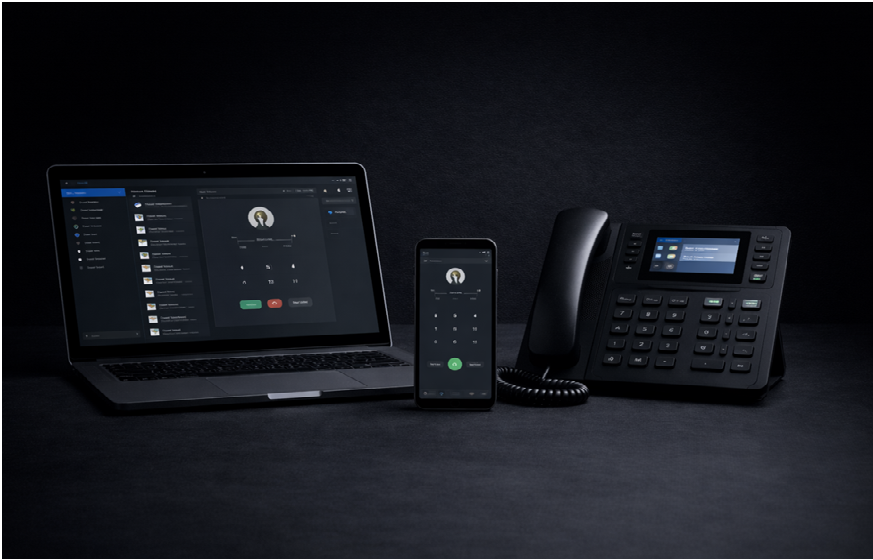
Offices, remote locations, mobile teams, and hybrid schedules are now the norm for many businesses. Sales staff may be out in the field attending meetings, managers may be working away from the office, and support staff may not always be at a desk phone. With flexible calling, they can keep in touch with softphones, mobile apps, forwarding rules, and cloud-based access without having to give out personal numbers.
Even if the employee answering the phone is working from another location, a caller can still call the main business number and receive a professional experience. It also allows the company to manage business conversations, call logs, and user access. As teams become more mobile, this type of structure is becoming increasingly important.
Features for Functional Phones
Value of the Office Telephone System: The value of the Office Telephone System is that the features of the system solve the communication problems of everyday life. Auto attendants can direct callers, voicemail to email can speed up review of messages, call forwarding can continue urgent conversations, and ring groups can share responsibility among a number of employees.
Call reporting and integrations can also support stronger decisions. Managers may see which hours bring the highest volume, which departments receive the most calls, or where missed calls happen often. If the phone setup connects with customer records or sales tools, employees can answer with better context.
Smoother Internal Coordination
They also improve how employees work with one another during the day. Reception may need to check availability, sales may need support from another department, and managers may need quick updates about important calls. Internal extensions, transfer options, shared visibility, and clear call paths help employees communicate without creating unnecessary confusion.
Better coordination also reduces small mistakes that can damage service quality. A message sent to the wrong person, a missed callback, or an unclear transfer can frustrate both staff and customers. When everyone understands how calls move through the business, teams can work with fewer interruptions and more accountability.
Professional Customer Experience
Customers often judge a business by how easy it is to reach the right person. If a call is answered clearly, routed properly, and followed up on quickly, the company feels dependable. If the caller is left waiting, transferred repeatedly, or sent to an unclear voicemail, trust can decline before any service conversation begins.
Professional call handling helps protect that trust. Clear greetings, smooth transfers, proper voicemail messages, and timely responses show that the business values communication. This is especially important for companies that depend on appointments, consultations, service requests, quotes, or repeat customer relationships. A better phone structure makes every call feel less random and more connected.
Scalable Call Planning
More employees, departments, services, and customer inquiries can place pressure on an older phone setup. What worked for a small team may not support a larger operation with multiple users and higher call volume. Planning call structure early helps businesses avoid confusion before it becomes a daily problem.
Scalable planning also gives companies room to adjust. They may add new extensions, update routing paths, support remote employees, review call reports, or connect phone activity with business tools. A flexible setup helps the company grow without rebuilding its communication process every time needs change.
Conclusion
Organized front desk and sales communication depends on more than simply answering calls quickly. Businesses need a structured process that will guide callers, support staff, track activity, and keep follow-ups from being missed. When call routing, voicemail, reporting, and team access work together, companies can create a smoother experience for both employees and customers.
Hosted VoIP Services supports businesses that want a more organized and scalable way to manage professional communication. Their services align with modern needs such as hosted VoIP, cloud-based calling, call routing, mobile access, integrations, and managed support. For companies that want cleaner call flow, stronger sales follow-up, and a more dependable phone experience, their team offers practical communication solutions.
Frequently Asked Questions
Question: How can business phone systems help front desk teams?
Answer: They help front desk teams answer, transfer, route, and manage calls more structured. This allows reception staffs to direct callers more professionally, but still carry out their other day-to-day tasks within the office.
Question: Why do sales teams need organized call routing?
Answer: Organized routing allows sales teams to receive inquiries faster and respond before leads lose interest. This reduces missed opportunities and helps the sales process feel more responsive and professional from the first point of contact.
Question: What are the phone features useful for growing businesses?
Answer: Growing businesses can benefit from auto-attendants, ring groups, call forwarding, voicemail-to-email, mobile apps, and softphones. These features enable teams to handle higher call volume, accommodate remote users, and keep the customer communication process more organized.
Question: Can remote employees use a cloud phone system?
Answer: Yes, cloud-based systems are mobile-friendly and can be used by remote employees via mobile apps, softphones, forwarding rules, and online management tools. Team members get to answer and return business calls from different locations.
Question: When should a company change its phone setup?
Answer: When missed calls are too frequent, transfers are confusing, voicemails are hard to manage, or sales follow-ups are delayed, it’s time for a company to consider an upgrade. Growths, remote work, more call volume, and the need for better reporting is also strong indicators that a more modern setup is needed.










+ There are no comments
Add yours