






Austin expansions tend to move fast. A new office floor opens, a warehouse adds shifts, or a healthcare campus adds a new wing, and suddenly the building’s “good enough” signal becomes a daily complaint. Calls drop in elevators, data slows in dense work areas, and staff start walking to certain corners just to get a stable connection. That is when leaders begin looking at a cellular DAS.
The part many teams miss is that a DAS is not automatically “worth it” just because it boosts bars. The real value comes from capacity planning, meaning the system is sized for how many people and devices will use it at peak times, not just on a quiet day. When developers and facility teams plan capacity before build-out, they get a system that performs under load, supports growth, and protects tenant and operational expectations.
Why Capacity Planning is the Real Return on a DAS Investment
Coverage fixes the question “Can people connect at all?” Capacity answers “Can they connect when everyone is online?” In Austin, expansions often mean more staff, more IoT devices, more video meetings, and more app-driven workflows packed into the same square footage. Without capacity planning, a DAS can look great on test day and still feel slow during the morning rush. Their team should view capacity as the main business outcome, not a nice add-on.
Read More : From Complexity to Clarity: Building a Winning Cloud Migration Strategy
Capacity planning also helps justify costs in a simple way. A DAS that handles peak demand reduces help desk tickets, avoids productivity loss, and lowers the risk of tenant complaints that affect renewals. It also supports consistent performance in high-value areas like conference zones, security desks, and loading areas where connectivity gaps create real delays. When leadership asks “why now,” a clear capacity story is often the easiest answer.
Sizing a Cellular Antenna System for Peak Demand
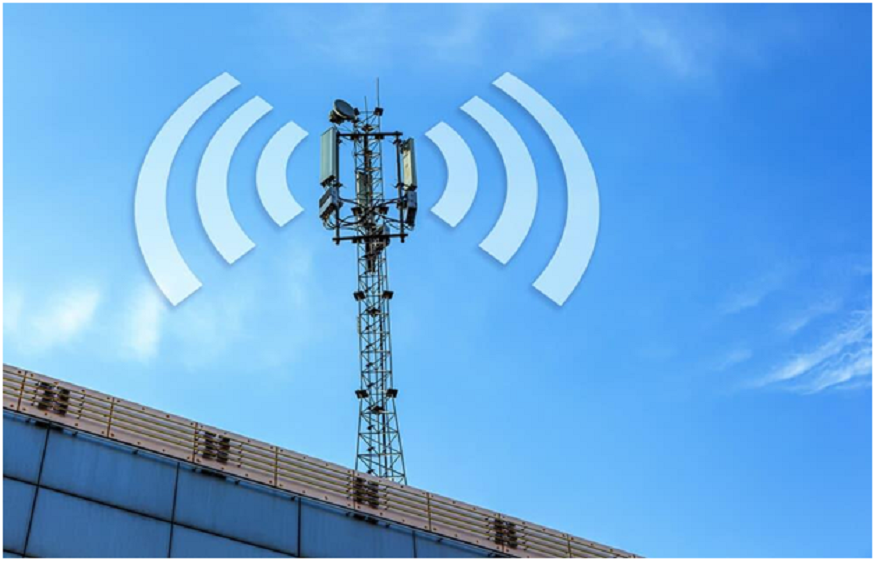
A cellular distributed antenna system is worth it when it is designed around realistic usage, not rough headcounts. Facility teams can start by estimating the number of active users per floor at peak times, then layering in device behavior like video calls, cloud apps, and guest traffic. It also helps to factor in growth, because expansions rarely stop at the first phase. A system that is “just enough” on day one can become tight within a year.
Another key step is understanding where demand concentrates. Break rooms, training rooms, and large meeting spaces create short bursts of heavy load, while warehouses and labs may have steady device traffic all day. Their team should ask the designer how they will account for these hotspots and what headroom is being built in. Planning for the busy hour is what keeps performance stable when the building fills up.
Design Choices That Keep Capacity Flexible as Austin Footprints Grow
Smart DAS projects plan for growth at the architecture level. That can include remote units that can be added later, spare pathways for future runs, and head-end space that does not become cramped after the first expansion. Austin sites often expand in phases, so the system should be able to scale without ripping out ceilings or rebuilding core infrastructure. Their team should look for a clear plan that explains what “phase two” looks like in terms of equipment and labor.
There is also a real tradeoff to manage. More sectors and more equipment can increase capacity, but it can also increase design complexity and cost. The goal is balanced: enough capacity to handle peak load, with a path to expand if demand changes. When teams ask for a design that is both right-sized and expandable, they avoid paying for unused capacity while still protecting the building’s next growth step.
Carrier Coordination That Supports DAS System Performance
Capacity is not only about internal equipment. Carrier participation, signal feeds, and backhaul choices often decide whether DAS system cellular throughput stays consistent across the building. Teams should ask which carriers are expected to be supported, how signals will be delivered to the head-end, and what happens if a tenant demands a carrier that was not included in the original scope. A clear carrier strategy avoids mid-project changes that delay schedules and inflate costs.
Coordination also includes practical details like approvals, integration points, and testing expectations. When a system is built for multiple carriers, it must be aligned with how each carrier wants signals handled and how performance will be validated. Their team should confirm who owns those relationships and who will manage the timeline. If carrier steps are left vague, the DAS can be installed on time but still sit “not fully live” longer than expected.
Load Testing That Proves Your Cellular Antenna System Holds Up
A cellular distributed antenna system should be validated with testing that reflects real use, not only basic signal checks. That means verifying performance in busy areas, checking both downlink and uplink behavior, and confirming that capacity remains stable when many users are active. Their team should ask what the acceptance plan includes and whether the test approach can show “good under load,” not just “good coverage.” This is where the design either proves itself or shows weak spots.
It also helps to capture a baseline report that can be used later. After move-in, the building changes, usage grows, and tenants add walls or equipment that affect RF. A clean baseline makes troubleshooting faster and keeps responsibility clear if performance shifts. When the acceptance process is well documented, facility teams can retest targeted zones after remodels and confirm the system is still meeting the performance level they paid for.
Operations Handoff That Keeps DAS System Reliable Over Time
Performance does not stop at commissioning. Batteries, connectors, and active components need checks, and ceiling work can bump antennas without anyone noticing. DAS system cellular reliability improves when owners have a simple maintenance plan, clear as-built drawings, and a defined process for service requests. Their team should confirm who will monitor alarms, how issues will be triaged, and what response time looks like when a problem affects a high-traffic area.
Handoff should also include guidance for change management. If a tenant adds dense partitions, expands into a new space, or changes how a floor is used, the DAS may need tuning. That does not mean the original design failed; it means the environment changed. When owners keep records and plan periodic verification, they can protect performance without turning every change into a new project.
Conclusion
Capacity planning is what makes a cellular DAS truly worth it for Austin expansions because it aligns the system with real demand. It helps teams separate “coverage looks fine” from “performance stays strong at peak,” and it reduces the risk of expensive surprises after occupancy. When capacity, carrier coordination, testing, and handoff are planned as one workflow, the DAS becomes a long-term asset instead of a short-term patch.
CMC communications can support Austin-area projects by helping teams plan capacity, coordinate technical milestones, and document performance in a way that is easy to verify and maintain. Their team can also help owners and developers compare options confidently, so the system choice supports growth, tenant expectations, and day-to-day operations as expansions continue.
Frequently Asked Questions
Question: What is the difference between coverage and capacity in a DAS?
Answer: Coverage means users can connect in more places. Capacity means the system can handle many users at once without slowing down. A building can have good coverage and still feel “crowded” during peak hours. Capacity planning looks at user density, device behavior, and hotspots like meeting zones, so performance stays steady when demand spikes.
Question: How do teams estimate peak demand during an Austin expansion?
Answer: They usually start with expected headcount per area, then add device patterns like video calls, cloud tools, guest traffic, and IoT usage. It helps to consider busy hours, not average days. Many teams also build in growth headroom because expansions often continue. A designer should explain the assumptions clearly so leaders can sanity-check them.
Question: Do carriers need to be involved for a cellular DAS to work?
Answer: Often, yes. Carrier signals may need coordination for feeds, approvals, and how performance is validated. If the plan includes multiple carriers, the project timeline should account for that work. Teams should confirm who owns carrier coordination and what happens if a tenant requests an additional carrier later, so the DAS does not become stuck in partial activation.
Read More : White-Label & Turnkey Precision Health Platforms: The Fastest Way to Launch Scalable Digital Health
Question: What tests prove a DAS is performing as planned?
Answer: Good acceptance testing includes mapped checks in busy areas, uplink and downlink validation, and documentation that shows results by zone. If possible, teams should test in conditions that resemble real use, not an empty building. A baseline report is valuable because it supports future troubleshooting and helps confirm whether changes in performance come from the building or the system.
Question: What should owners request at handoff to protect long-term performance?
Answer: They should request as-built drawings, labeling details, acceptance reports, and a simple maintenance plan. It also helps to define alarm handling, service response expectations, and how future layout changes will be evaluated. When records are organized, owners can retest after remodels, fix issues faster, and avoid confusion about what the system should deliver.













+ There are no comments
Add yours